Ethanol Technologies ("Ethtec")
Ethanol is being increasingly used worldwide as a renewable liquid fuel for transport. It is used either neat or in blends with petroleum fuels. However conventional ethanol production relies on the sugar and starch content of food crops, and requires the specific planting of these crops for ethanol.
By contrast, Ethtec can convert low-value material, often deemed "waste", into ethanol without the need to utilise primary agricultural sugar or starch resources.
Commercialising second generation ethanol production technology
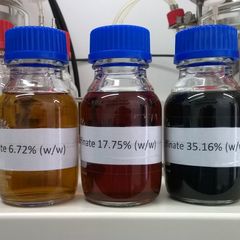
Ethtec has a world-wide exclusive license to further develop and commercialise patented, laboratory-proven technologies for the production of ethanol from lignocellulosic material such as wood, bagasse (waste from sugar production), crop stubble and municipal green waste. This is generally referred to as "cellulosic ethanol". (See Ethtec Process).
The Ethtec process brings distinct environmental advantages, particularly in relation to low greenhouse gas emissions (see Environmental Benefits) and production advantages (see Industrial Benefits) over other ethanol processes.
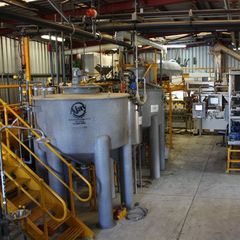
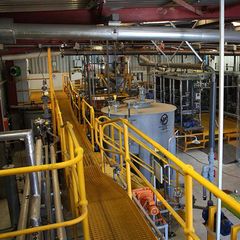
The first stage of commercialisation has been the establishment of a scaled pilot plant in New South Wales, Australia to demonstrate the commercial application of the technologies (see Pilot Plant).
If successful, the Ethtec pilot plant will be the first in the world to achieve an economically-feasible and environmentally-sustainable conversion of lignocellulosic material to ethanol fuel.
There is significant potential to access the associated intellectual property worldwide at each phase of the pilot plant development through license agreements with Ethtec.
The indicative timing to commercialisation is:
- Construction and operation of pilot plant (4 phases): December 2007 - December 2010
- Development of commercial-scale plant: January 2011 - December 2012
Latest news
Pilot Plant Progress
Development of the Pilot Plant at Harwood Sugar Mill is progressing well. Phase one is currently scheduled to be completed during April 2009.